
"Hair loss" isn't one condition — it's a symptom that can point to several very different underlying causes, from genetics to autoimmune activity to nutritional or hormonal factors. Before any treatment plan makes sense, the type of hair loss has to be correctly identified. Here's what that process actually involves.
It Starts With a Conversation
A thorough evaluation begins with history: when the thinning or shedding started, whether it's gradual or sudden, whether it follows a pattern or shows up in patches, family history, recent illnesses or stressors, medications, and any other symptoms. This context alone often narrows down the likely cause significantly.
The Physical Exam
A hands-on scalp exam checks for patterns of thinning, redness, scaling, or scarring, and includes a "pull test" to assess how easily hairs come loose — a simple but informative indicator of active shedding.
Trichoscopy: A Closer Look
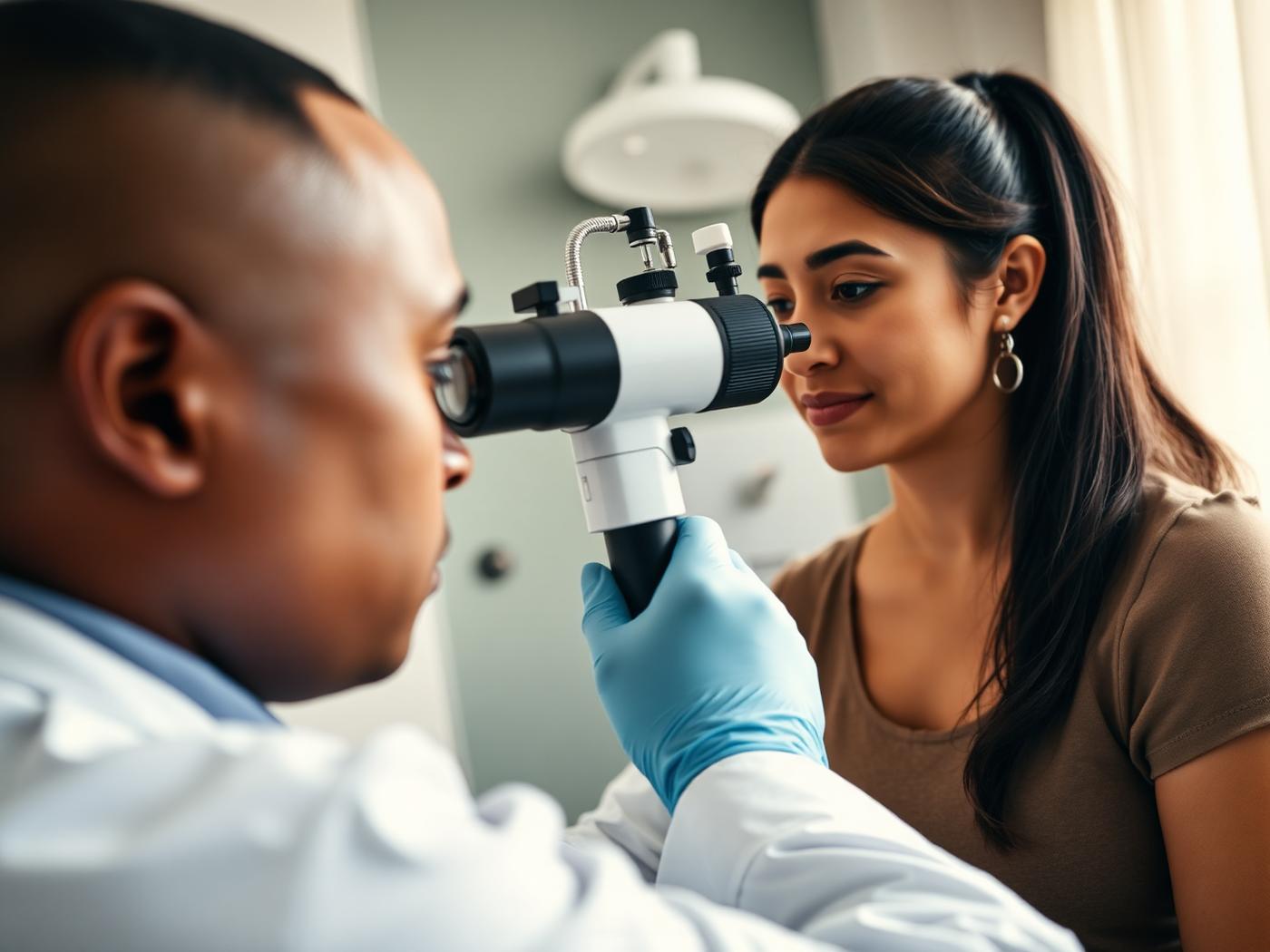
Many evaluations include trichoscopy — using a specialized magnification tool to examine the scalp and individual follicles up close. This can reveal follicle miniaturization, inflammation, or other clues invisible to the naked eye, often making the diagnosis clear without further testing.
When a Scalp Biopsy Comes Into Play
In cases where the diagnosis isn't clear from history and examination alone — or when scarring or an inflammatory process is suspected — a small scalp biopsy may be recommended. This minor procedure allows the follicle and surrounding tissue to be examined more closely, which can be the deciding factor between very different treatment paths. It's a diagnostic step used selectively, not a routine part of every evaluation.
Why Getting the Diagnosis Right Matters
Pattern hair loss, alopecia areata, and other causes of thinning are treated very differently. Starting a treatment plan without a clear diagnosis often means wasted time — or missing a window when intervention would have worked best.
A proper hair loss evaluation is quick, low-stress, and gives you an actual answer instead of a guess.