Highest reported cure rate
Mohs surgery has been recognized as the skin cancer treatment with the highest reported cure rate.
Winter Garden · Apopka · The Villages · FID Cosmetic Center
We treat everything from benign growths to high-risk skin cancers.
How we evaluate
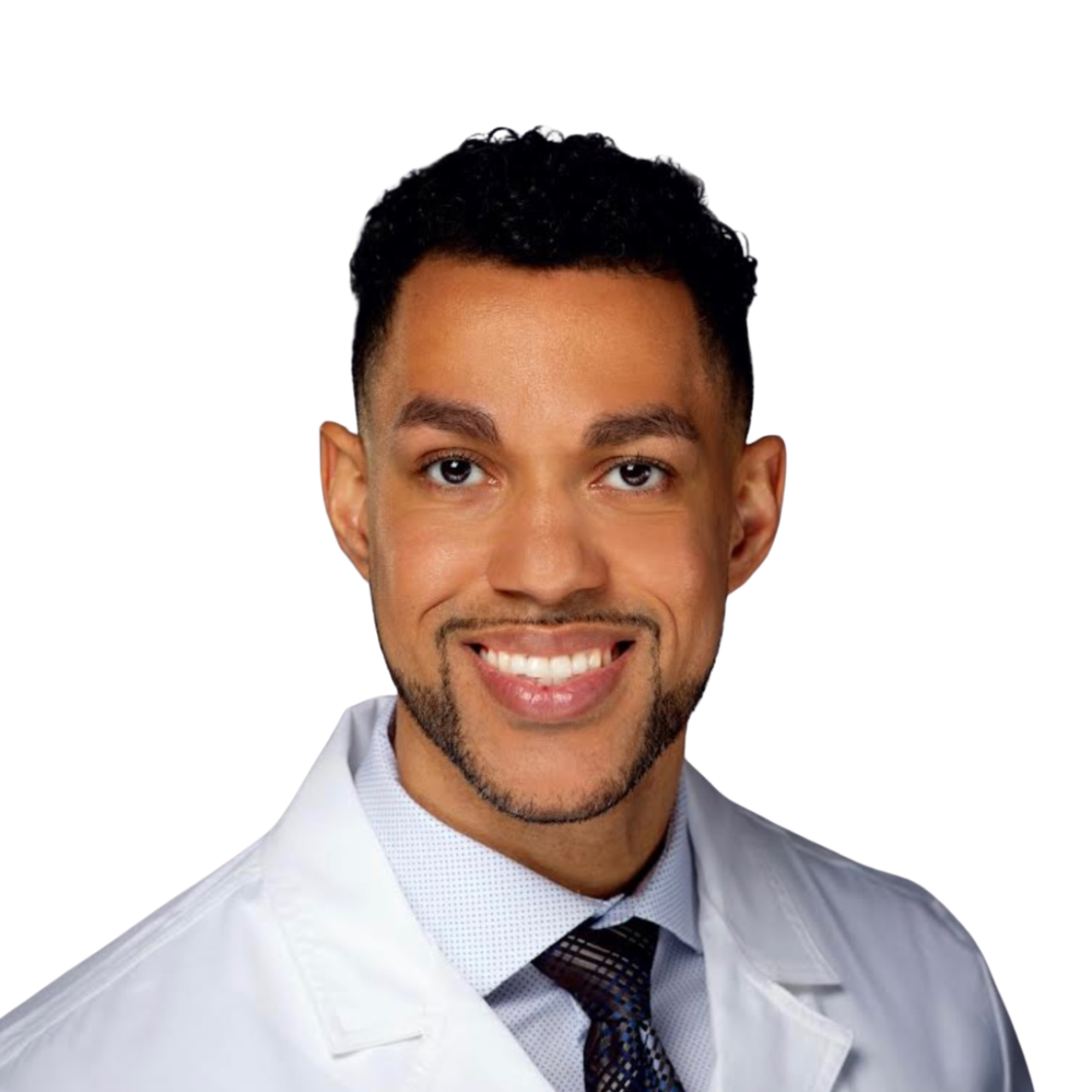
Every surgical decision begins with a careful evaluation. Our dermatology physician assistant explains how a suspicious spot is examined, documented and biopsied before any treatment is recommended.
That groundwork is what allows us to choose the least invasive procedure that fully addresses the problem.
Overview
At Florida Institute of Dermatology, we are experts in surgical dermatologic procedures. We treat everything from benign growths to high-risk skin cancers.
What it is
Mohs micrographic surgery is a special technique for the treatment of high-risk skin cancers with the highest cure rate.
Excisional surgery: we are experts at the removal of skin cancers, cysts, moles, fatty tumors and other benign lesions.
Cosmetic mole removal: we perform cosmetic removal of unwanted moles, skin tags, seborrheic keratoses (“barnacles”) and similar lesions.
Earlobe repair: we can repair fully split or stretched earlobes to their original shape. Keloid surgery: we specialize in both surgical and non-surgical removal of keloids.
Conditions & indications
Confirmed from current FID surgical dermatology content.
High-risk skin cancers
Skin cancers
Cysts
Moles
Fatty tumors
Other benign lesions
Unwanted moles, skin tags and seborrheic keratoses
Split or stretched earlobes
Keloids
What to expect
During your consultation, your dermatologist will evaluate the condition or lesion, discuss the appropriate treatment approach, and explain what to expect before, during, and after the procedure. Treatment is selected according to the diagnosis, the lesion or tumor type, its location and your overall health.
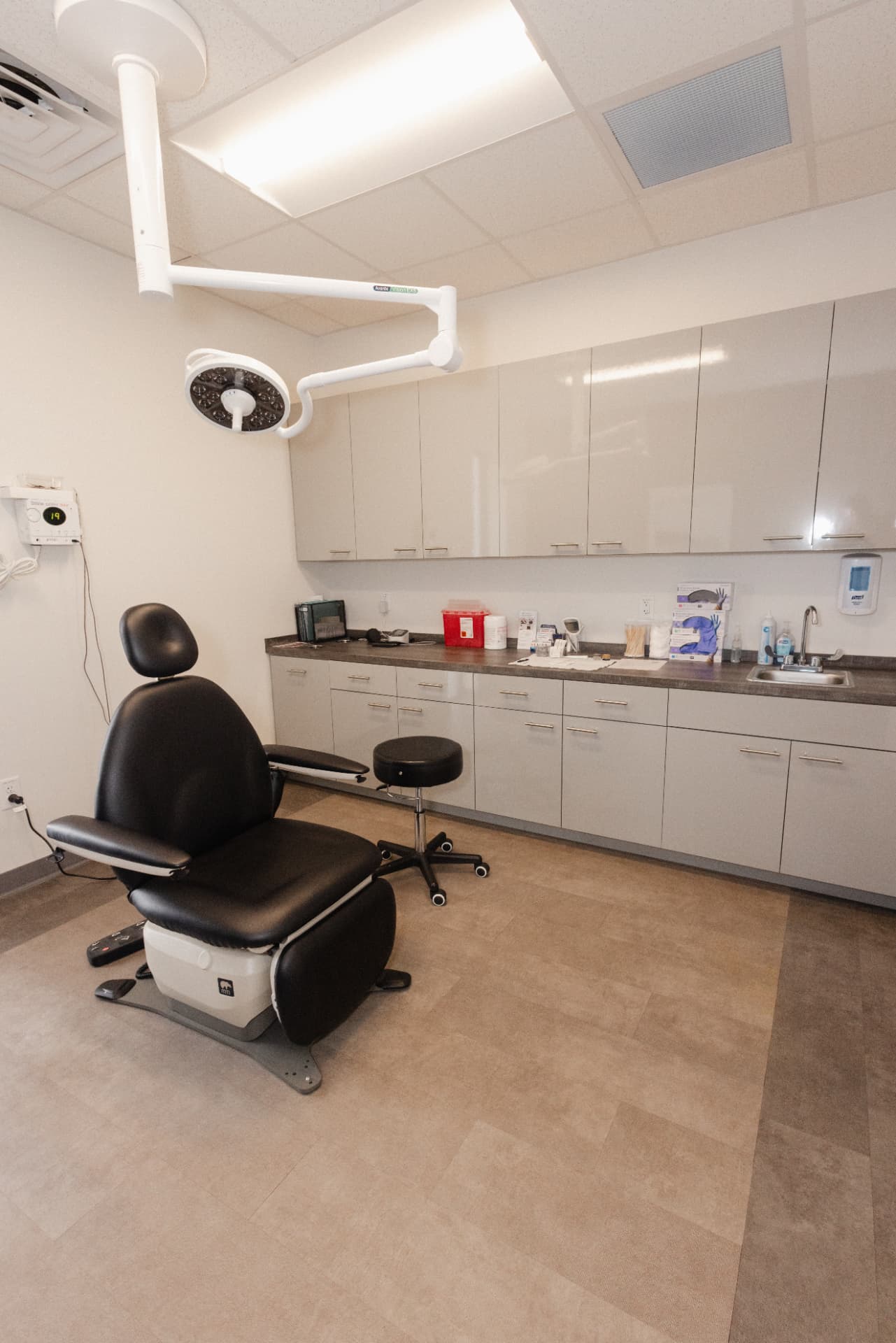
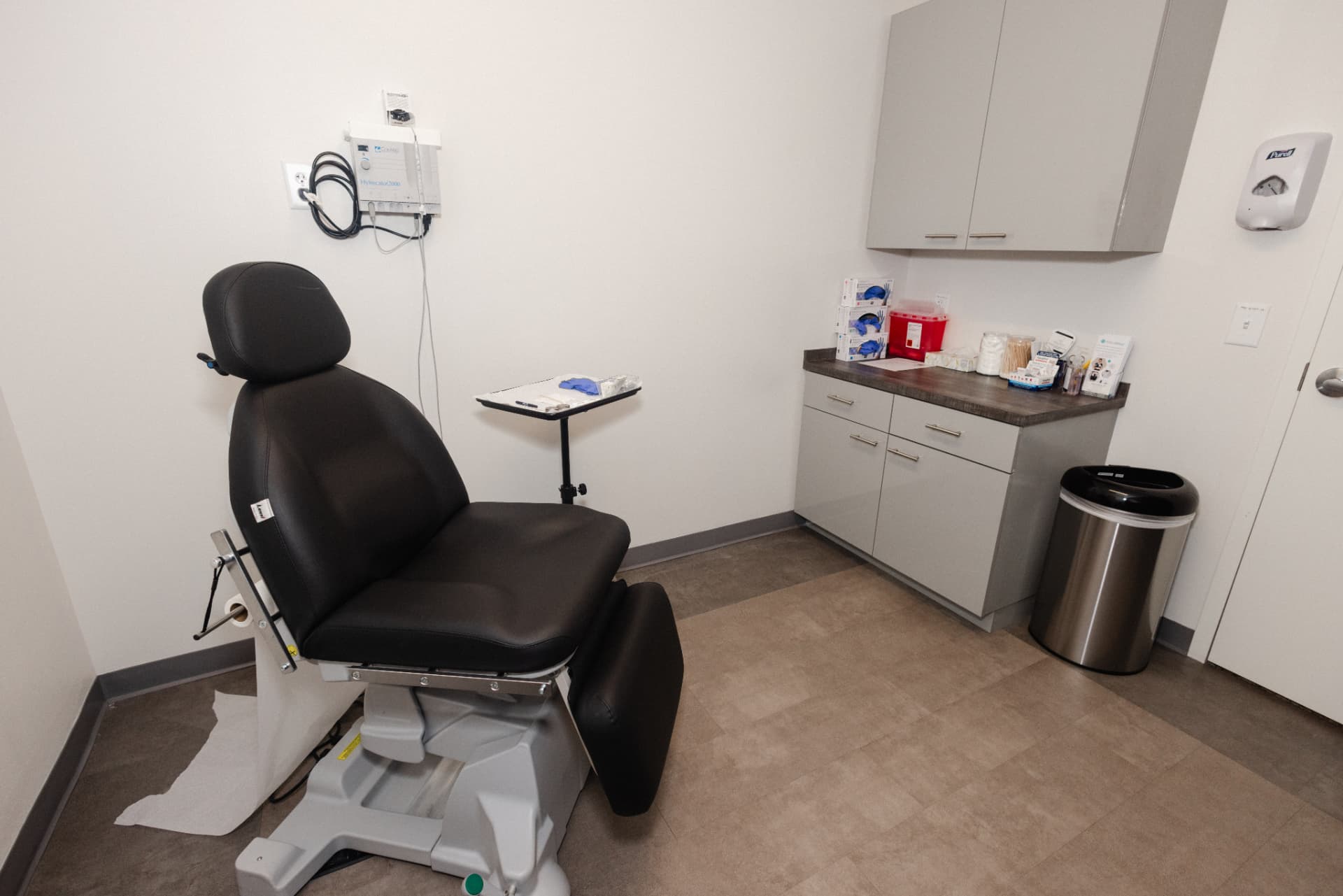
Mohs surgery is performed in our state-of-the-art office with fully equipped surgical and laboratory facilities and experienced staff. The procedure is performed under local anesthesia.
Aftercare depends on the procedure performed. Detailed pre- and post-procedure guidance is published in our Procedural Instructions, and your care team will point you to the instructions that apply to your procedure.
Mohs micrographic surgery
When a biopsy confirms skin cancer, Mohs micrographic surgery removes it layer by layer while sparing as much healthy tissue as possible.
Our team walks through how the diagnosis is reached and what the day of surgery involves.
The procedure
Mohs micrographic surgery is a specialized, highly effective technique for the removal of skin cancer. It is typically reserved for treatment of cancers that are large, recurrent, aggressive histologically and at high risk for recurrence or metastasis. Mohs surgery is also indicated for cancers located in areas such as the nose, ears, eyelids, lips, hairline, hands, feet and genitals, in which maximal preservation of healthy tissue is critical for cosmetic or functional purposes.
The procedure was developed in the 1930s by a general surgeon, Dr. Frederic Mohs, at the University of Wisconsin and is now practiced throughout the world. Mohs surgery differs from other skin cancer treatments in that it permits the immediate and complete microscopic examination of the removed cancerous tissue, so that all “roots” and extensions of the cancer can be eradicated. Due to the methodical manner in which tissue is removed and examined, Mohs surgery has been recognized as the skin cancer treatment with the highest reported cure rate.
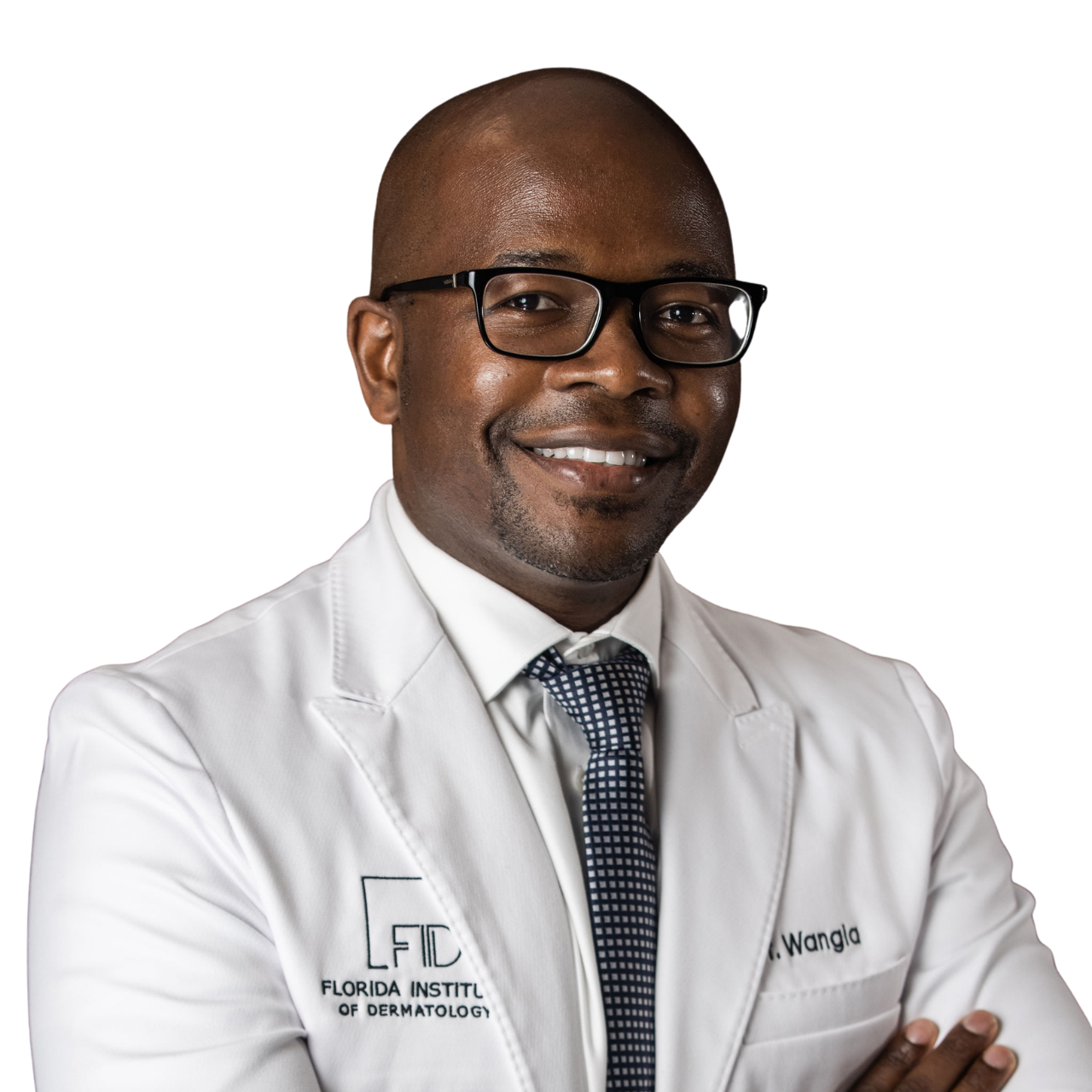
Dr. Wangia is board-certified in Micrographic Dermatologic Surgery and in Dermatopathology. He has had an incredible level of exposure from common and rare malignant tumor pathology to challenging tumor locations and complex wound reconstruction.
Benefits
Mohs surgery has been recognized as the skin cancer treatment with the highest reported cure rate.
The removed tissue is examined immediately and completely, so all roots and extensions of the cancer can be eradicated.
Indicated where preserving healthy tissue is critical for cosmetic or functional purposes.
Performed in our state-of-the-art office with fully equipped surgical and laboratory facilities and experienced staff.
Questions
No. The procedure is performed under local anesthesia in our office.
Follow the Procedural Instructions provided for your specific procedure — we publish separate instructions for Mohs surgery, excisional surgery and other dermatologic procedures. Your care team will review them with you and you can find them under Patient Resources.
We participate in most major health insurance plans, including Medicare, Blue Cross Blue Shield, Cigna, Aetna, UnitedHealthcare, Medicaid, Freedom, Optimum, Orlando Health, Multiplan and DNS (including Magellan, Devoted and ABH). Coverage depends on your specific plan and the procedure performed, so we recommend verifying participation and benefits with your insurer at the time of scheduling.
Related services
Appointments
Book a visit at any of our four Central Florida facilities.