
Thinning hair rarely arrives overnight. For most people, it shows up gradually — a wider part, a receding hairline, a ponytail that feels thinner than it used to. That slow, predictable pattern has a name: androgenetic alopecia, more commonly known as male or female pattern hair loss.
What's Actually Happening at the Follicle
Androgenetic alopecia is driven by genetics and hormone sensitivity — specifically, how individual hair follicles respond to androgens like DHT (dihydrotestosterone). In sensitive follicles, repeated exposure gradually shrinks the follicle in a process called miniaturization. Each hair grows back finer and shorter than the last, until some follicles stop producing visible hair altogether.
Why the Pattern Looks Different in Men and Women
In men, this typically shows up as a receding hairline and thinning at the crown. In women, it usually presents as diffuse thinning across the top of the scalp, with the hairline more often staying intact. Both patterns follow a predictable, progressive timeline — which is exactly why early intervention tends to work better than waiting.
Common Myths Worth Retiring
- It's not caused by wearing hats, washing your hair too often, or "bad" shampoo.
- It's not exclusively a men's issue — pattern hair loss affects a significant share of women too, often starting around midlife.
- It doesn't always mean total baldness — many people experience gradual thinning rather than complete loss.
When to Seek an Evaluation
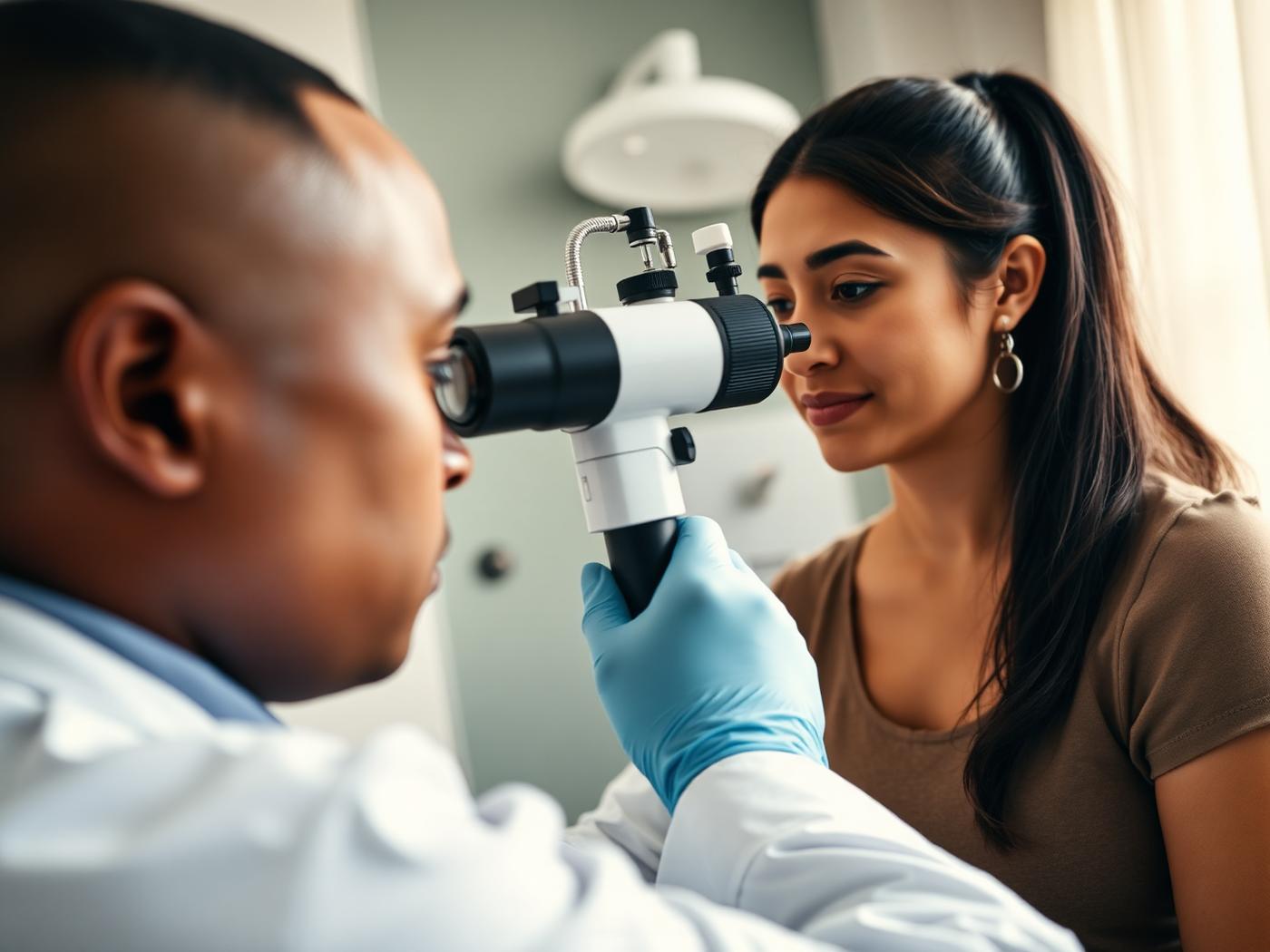
Because androgenetic alopecia is progressive, the earlier it's addressed, the more existing follicles there are to work with. If you're noticing a widening part, increased shedding, or visible scalp through your hair, a dermatologist can confirm the pattern and outline what's realistic for your specific stage of thinning.
At Florida Institute of Dermatology, our team evaluates hair loss patterns to help patients understand exactly what they're dealing with — and what their real options are.