Acne Treatment
Dermatologist-led care for teen, adult and hormonal acne — from prescription plans to in-clinic treatments.
When should I see a dermatologist for acne?
See a dermatologist when over-the-counter products are no longer making a real difference, or when breakouts are moderate to severe, persistent, painful or leaving marks. A dermatologist can build a prescription and in-clinic plan matched to your skin type, acne severity and medical history.
Overview
Acne is one of the most common conditions our board-certified dermatologists evaluate and treat, in teens and adults alike.
What it is
What acne treatments are available?
Prescription topical treatments typically include retinoids, which speed up cell turnover and prevent clogged pores; stronger antibacterial or anti-inflammatory formulas; and combination topicals that address oil, bacteria and inflammation at once.
When topical treatment alone isn't sufficient, oral medication may be added — such as a course of oral antibiotics, hormonal therapy for women whose acne is cycle-related, or, for severe, scarring or treatment-resistant acne, a more intensive medication reserved for that level of severity.
In-clinic treatments such as acne extractions, chemical peels and LED light therapy can work alongside a home routine and prescription care.
What to expect
What to expect at an acne evaluation
- 01
In-person evaluation
Your provider reviews your skin type, acne severity, medical history and what you have already tried.
- 02
A personalized plan
The right combination and dose of treatment is chosen for your skin, avoiding months of trial and error.
- 03
Follow-up and adjustment
Regular follow-up lets your dermatologist adjust the plan based on how your skin responds over the first several weeks.
Questions
Frequently asked questions
When should I see a dermatologist for acne?
When over-the-counter products stop working, or when breakouts are moderate to severe, persistent or leaving marks.
What acne treatments are available?
Prescription topicals (such as retinoids and anti-inflammatory or antibacterial formulas), oral medications when appropriate, and in-clinic treatments including extractions, chemical peels and LED light therapy.
Why does prescription acne treatment need supervision?
Each medication has its own considerations around side effects, monitoring and who is a good candidate. Regular follow-up reduces the risk of side effects going unnoticed and lets the plan be adjusted based on real results.
Do you treat acne in teenagers?
Yes. Certain dermatologists at Florida Institute of Dermatology care for patients of all ages, including children and teens. Provider availability and age ranges may vary, so please contact the office to find the most appropriate provider.
Your care team
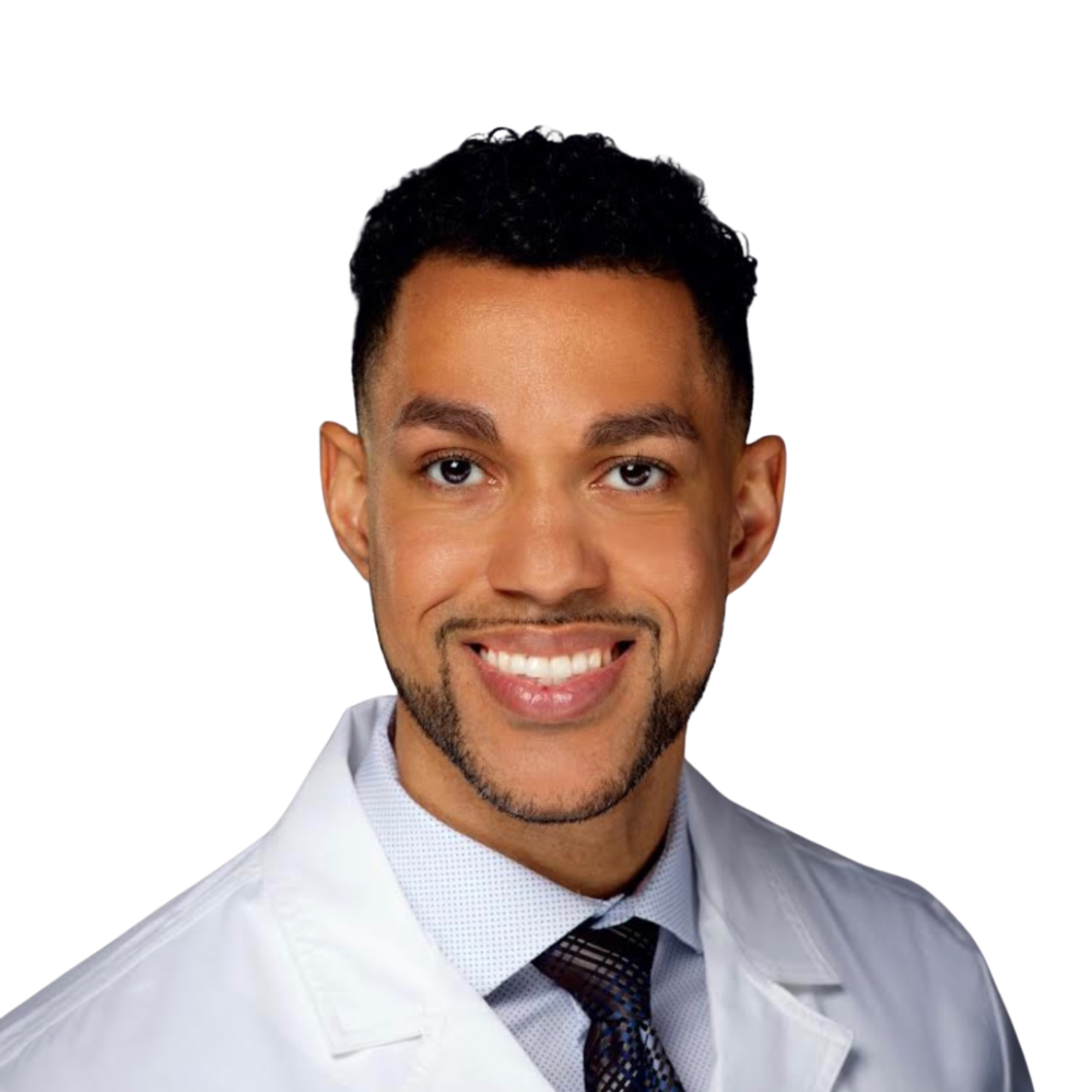
Providers who offer this service

Where to go
Where is this service offered?
Appointments
Schedule an Acne Evaluation
Book a visit at any of our four Central Florida facilities.