Most people try the drugstore aisle before they try a dermatologist — and that's a reasonable first step. But when cleansers and spot treatments stop making a real difference, prescription-strength treatment works through different, more targeted mechanisms.
When Over-the-Counter Products Aren't Enough
OTC products are generally formulated at lower concentrations for broad safety across all users. If breakouts are moderate to severe, persistent, or leaving marks, the skin usually needs a more targeted approach than what's available without a prescription.
Topical Prescription Options
Prescription-strength topical treatments typically fall into a few categories: retinoids, which speed up cell turnover and prevent clogged pores; stronger antibacterial or anti-inflammatory formulas; and combination topicals designed to address multiple factors — oil, bacteria, and inflammation — at once. The exact formula and strength depend on skin type, sensitivity, and how the skin has responded to treatment so far.
Oral Medications for Moderate-to-Severe Acne
When topical treatment alone isn't sufficient, oral medication may be added. Options can include a course of oral antibiotics to calm inflammation and bacteria, hormonal therapy for women whose acne is cycle-related, or — for severe, scarring, or treatment-resistant cases — a more intensive medication reserved specifically for that level of severity.
Each of these comes with its own considerations around side effects, monitoring, and who is (and isn't) a good candidate, which is exactly why they require a prescriber's oversight rather than self-selection.
Why Supervision Matters
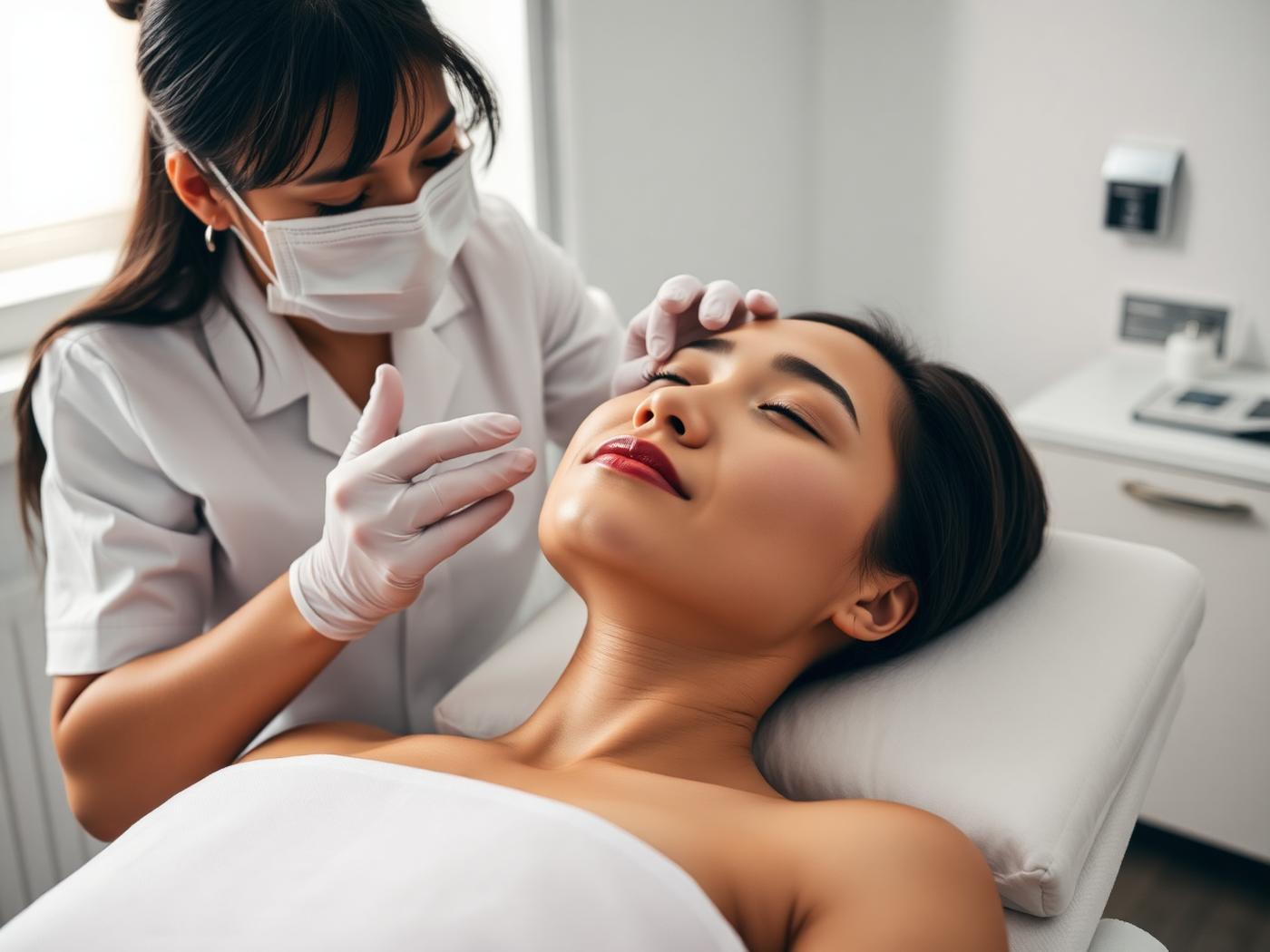
Prescription acne treatment isn't one-size-fits-all. The right combination — and the right dose — depends on an in-person evaluation of skin type, acne severity, medical history, and how the skin responds over the first several weeks. Regular follow-up allows a dermatologist to adjust the plan instead of leaving a patient to guess whether something is working.
- A personalized plan avoids months of trial-and-error with the wrong product.
- Monitoring reduces the risk of side effects going unnoticed.
- Adjustments happen based on real results, not guesswork.